
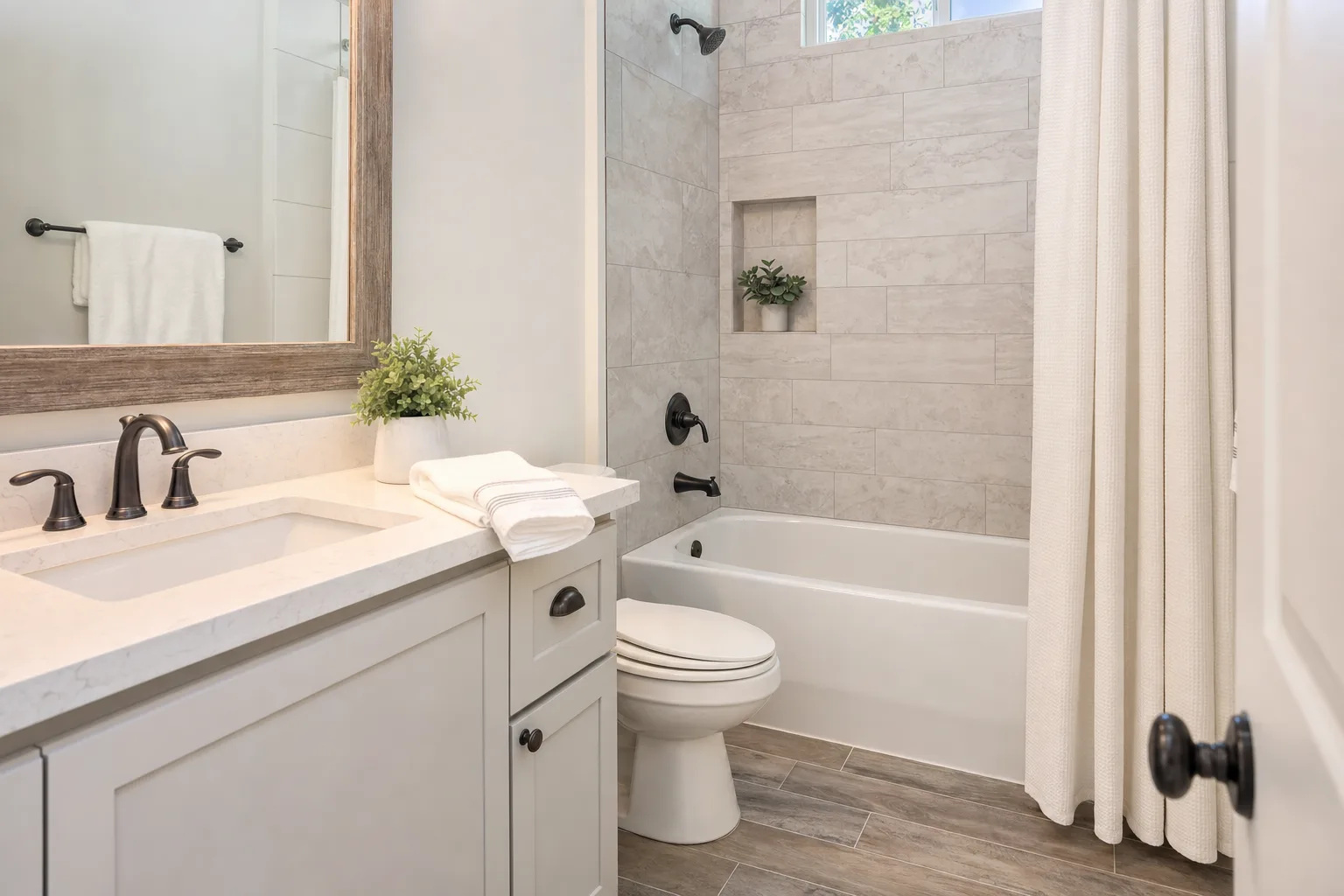
Five star cleanliness reviews come from consistency, and from passing the quiet inspections guests run in their first few minutes inside: the smell when the door opens, the bathroom up close, the bedding pulled back, the floors underfoot, and the first glass out of the cabinet. One documented turnover system, executed identically every stay, beats occasional heroic effort every single time.
That is good news, because systems can be built by anyone. Five star cleanliness looks like talent from the outside, but it is closer to a repeatable house cleaning routine with a hospitality edge, and this guide lays the whole thing out.
Why do cleanliness ratings carry so much weight?
Cleanliness is the category guests treat as a proxy for everything else. A dated couch is a style choice; a hair on the sheets is a trust problem. Travelers comparing listings scan the category ratings, and many read the worst reviews first, hunting specifically for cleanliness complaints, because those feel predictive in a way one guest’s parking gripe never does.
The stakes are lopsided too. Dozens of flawless turnovers build the rating; one rushed clean writes the review that hundreds of future guests will read. Fair? No. True everywhere hospitality is sold? Completely.
High marks compound quietly in the other direction as well. A long run of clean stays earns the kind of review language, spotless, immaculate, cleaner than home, that does more selling than any listing description you could write. Guests quote each other. Give them the words.
One bad clean erases ten good ones. The guest who found the hair does not care that last month’s guests found nothing.
What do guests inspect in the first five minutes?
The review starts forming before the bags are unpacked. In rough order:
- The smell in the doorway. It registers within seconds and colors everything that follows.
- The bathroom, up close: grout, drain, toilet base, and the corners of the shower.
- The bed. Many guests pull back the duvet immediately, checking the sheets for hair and freshness.
- The floors, the moment shoes come off. Grit underfoot undoes an hour of wiping.
- The first glass or mug out of the cabinet, held up to the light without a second thought.
Pass those five checks and the rest of the stay tends to confirm a good first impression instead of hunting for a bad one.
Where do listings lose cleanliness stars most often?
The pattern in reviews is remarkably consistent across listings, and so are the fixes.
| What guests find | What they conclude | The fix |
|---|---|---|
| A single hair on the bathroom floor or the sheets | The linens were never changed | A final pass with fresh eyes, plus a lint roller over the made beds |
| A smell from pets, cooking, or the last guests | The place is not actually clean | Find and clean the source, then ventilate; never spray fragrance over it |
| Dust on vents, fan blades, or lampshades | They only clean what shows | Rotate detail tasks through the turnover checklist so each gets regular visits |
| Cloudy or spotted glassware | The kitchen cannot be trusted | Hold glasses up to window light before they go back on the shelf |
| Crumbs under cushions or under the bed | Nobody ever looks here | Vacuum the hidden zones every turnover, never just when convenient |
Notice what is missing from that table: anything expensive. Guests almost never dock stars for worn decor or an older TV. They dock stars for evidence that the cleaning stopped where the camera did.
Which hidden zones belong on every turnover checklist?
Guests find these places precisely because they are guests. They open drawers you stopped opening, drop phones that slide under furniture, and lie in bed staring at surfaces you only ever see from a standing position. Put each one on the written list:
- Under the bed and sofa, the two most reported hiding spots for previous guests’ belongings.
- Behind the bathroom door, where the floor collects hair the mop never meets.
- Inside the microwave, the oven, and the fridge door shelves.
- The ceiling fan and the light fixtures above the bed, which guests study every night they spend on their backs.
- The silverware drawer and the glassware shelf, inspected at close range during every meal.
- The washer gasket and the dishwasher filter, both capable of quietly generating the smells you cannot find.
- Lamp switches, remotes, and headboards, the surfaces hands touch most and cloths touch least.
None of these add more than a minute or two. All of them appear in one star reviews with astonishing regularity.
How do you make every turnover identical?
Consistency is a boring superpower, and it has three parts. First, a written checklist that names every task, including the hidden zone items; the full version lives in our Airbnb turnover cleaning checklist. Second, a staging photo album, so the finished room matches the listing photos down to pillow count and towel folds. Third, the same hands doing the work whenever possible, because familiarity with a unit catches things no instruction sheet can describe.
One operating rule ties it together: when a turnover runs late, the bathroom never gets compressed. Cut the porch sweep, cut the drawer wipe, and protect the one room guests inspect hardest.
Time your turnovers, too. Once you know a proper reset takes a certain stretch in your unit, a finish far under that number is a warning rather than a win. Rushed cleans fail in the same three places every time: the bathroom details, the hidden zones, and the smell.
Protect the rating that fills your calendar
A professional turnover partner makes consistency somebody’s actual job. Quotes are free, built around your unit and scope, and most people hear back within one business day.
What should a clean rental smell like?
Nothing, mostly. Neutral air with a hint of recent ventilation is the gold standard, because any strong scent, even a pleasant one, reads to a suspicious guest as coverage for something worse. Air the unit out during every turnover, take the trash all the way outside, and run the bathroom fan after cleaning. If you use any scent at all, keep it faint and keep it identical from stay to stay, so returning guests smell consistency rather than experimentation.
When a smell persists after a normal clean, go hunting rather than masking. The usual suspects, in order: the trash can itself rather than the bag, the drain and disposal, the fridge, the dishwasher filter, the washer gasket, and damp towels forgotten in a closed hamper. Each has a fix that takes minutes once found, and none of them can be perfumed away for longer than a day.
A local note: around Gresham, guests come for the Gorge and Mt. Hood, and they bring the trail home on their boots for a good share of the year. Hard working entry mats, a shoe tray inside the door, and darker entry rugs keep wet season mud from turning into your cleanliness problem.
How should you handle a cleanliness complaint mid stay?
Fast, and without argument. Reply within the hour if you can, apologize plainly, and fix the issue the same day: send the cleaner back, deliver fresh linens, whatever the miss calls for. A small goodwill gesture lands better than a defense of your track record ever will. Guests who get a quick, human fix often soften what they write, and sometimes the recovery earns a warmer mention than a flawless stay would have.
Afterward, treat the complaint as a bug report. Find the checklist line that failed, or add the line that was missing, and make it hard to skip next time. If a public review does land, keep the response calm and specific, written for the future guests reading over its shoulder rather than for the reviewer.
What never works: arguing that the place was clean. The guest was standing in the room and you were not, so the debate is unwinnable in public even on the rare occasion you are right. Spend the same energy on the fix, and let the next twenty reviews make your argument for you.
When does a professional turnover partner pay for itself?
When your honest answer to “will every turnover be five star sharp?” depends on your energy, your calendar, or your distance from the unit. A professional partner sells exactly the material ratings are made of: the same standard on a chaotic Tuesday as on a slow Sunday, with backup when life intervenes. And since the cost typically rides on the cleaning fee guests already pay, the decision is less about spending money and more about protecting the rating that earns it. Our guide to setting an Airbnb cleaning fee from your real turnover cost shows how to make that math work for your listing.
The bottom line on five star cleanliness
Guests decide in minutes, and they decide on details: smell, bathroom, bedding, floors, glass. Build a checklist that names those details, stage from photos, keep the same hands on the work, and never let a busy week negotiate the standard downward. If you want that consistency handled professionally, The Tidy Sister offers Airbnb cleaning service in Gresham and the Portland eastside, with the same cleaner whenever possible. Woman-owned, licensed and insured since February 2015. Call 503-666-2255 or text 503-875-1189 for a free quote.

