
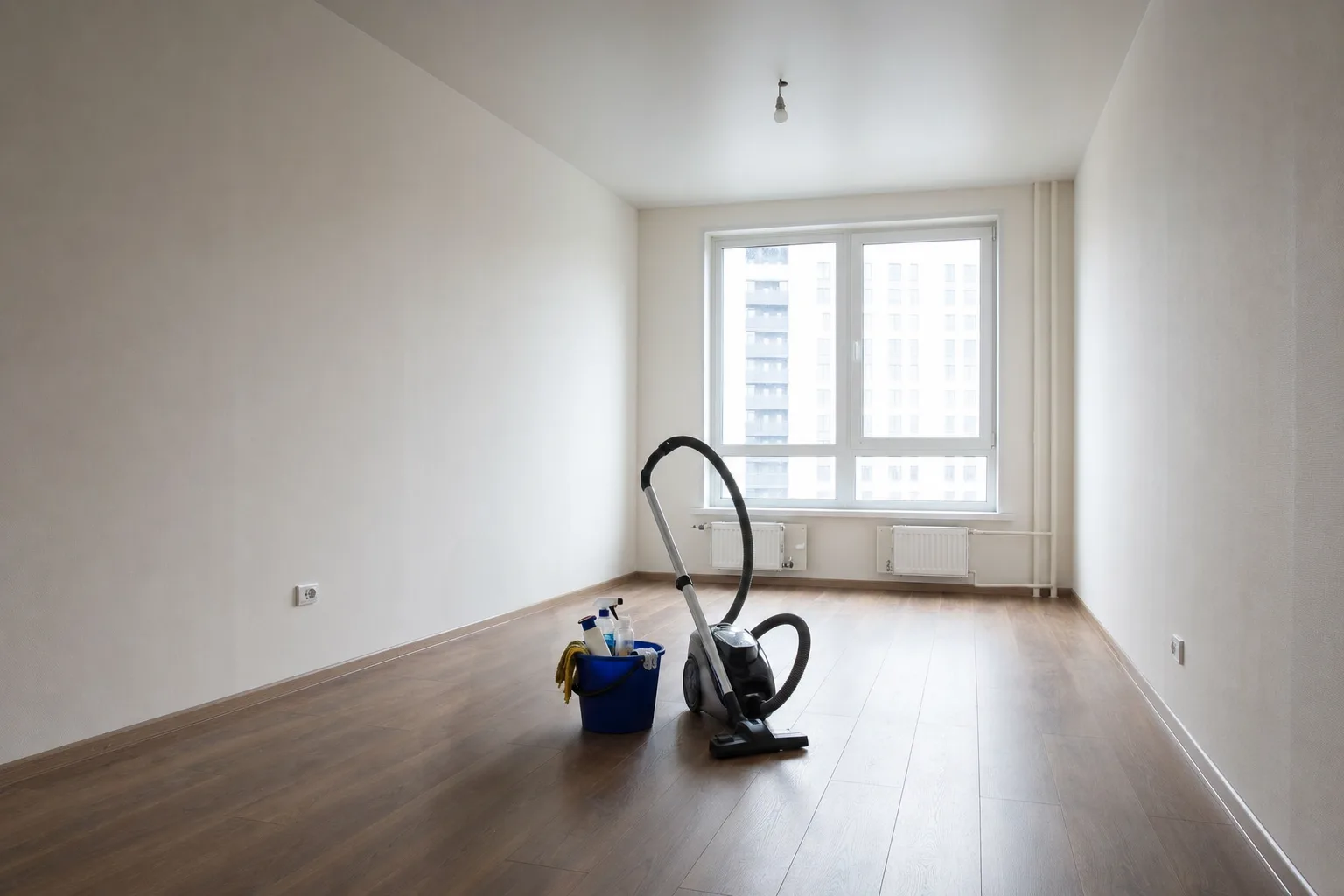
A move-out cleaning for an Oregon rental has one job: return the unit to the condition you received it in, allowing for ordinary wear and tear. That means a scrubbed oven, a wiped-out refrigerator, descaled tubs and toilets, dusted blinds, clean window tracks, wiped baseboards, cabinet interiors emptied and cleaned, and floors done last. Work top to bottom, one room at a time, and finish with the spots landlords photograph.
This checklist comes from years of professional house cleaning in Gresham and Portland Eastside rentals, including plenty of move-outs where a deposit was riding on the result. Print it, tape it inside a kitchen cabinet, and cross things off as you go.
Why does the move-out clean matter so much in Oregon?
Your security deposit is the leverage. Oregon landlords can deduct reasonable cleaning costs when a unit needs more work than careful ordinary living would explain, and cleaning is one of the most common line items renters see on a final accounting. We wrote a plain-language companion piece on what Oregon landlords can deduct for cleaning if you want the deposit rules side of this.
Here is the practical version. A landlord who walks into a unit that smells neutral, with a shining oven and a scum-free tub, has almost nothing to write up. A landlord who opens the oven door onto two years of baked-on drips has a line item, a photo to back it up, and a receipt from whoever gets hired to fix it. Every task below is on this list because somebody, somewhere, lost deposit money over it.
What should you clean in the kitchen?
Kitchens generate more cleaning deductions than any other room, and the oven is the single most contested appliance in the building. Budget close to half your total cleaning time here, and tackle it early in the day, before your energy runs out.
Appliances
- Oven: pull the racks and scrub them in the sink or tub, degrease the interior, clean the door glass inside and out, and empty and wipe the drawer underneath.
- Stovetop: scrub the burner grates or replace cheap drip pans, wipe the control knobs, and degrease the seam where the cooktop meets the counter.
- Range hood: run the metal filter through the dishwasher to loosen the grease film, then wipe the underside of the hood.
- Refrigerator: take every shelf and drawer out and wash them, wipe the door gaskets, dust the top. If it rolls, clean underneath and behind it.
- Dishwasher: rinse the filter, wipe the door edges and the detergent cup, then run one empty hot cycle.
- Microwave: steam the interior with a bowl of hot water, wipe it down, wash the turntable, and degrease the vents.
Surfaces and storage
- Cabinets and drawers: empty them completely, vacuum out the crumbs, wipe the interiors, and degrease the exterior faces. The doors nearest the stove need two passes.
- Counters and backsplash: clean and dry, with real attention to the grease shadow behind the stove.
- Sink: scrub the basin, descale the buildup around the faucet base, polish the drain flange, and run the disposal with dish soap and cold water.
- Floor: sweep, mop, and wipe along the toe kicks by hand. Do it last, on your way out of the room.
How do you get the bathrooms deposit-ready?
Bathrooms are where “clean” and “looked clean” part ways. Soap scum and mineral buildup take far longer to remove than most renters expect, especially in older Gresham and Rockwood units with their original tubs and fixtures.
- Tub and shower: strip the soap scum from walls and doors, scrub the grout, and clean out the shower door tracks with a detail brush.
- Showerhead and fixtures: descale until the chrome actually reflects.
- Toilet: bowl, seat, hinges, tank, base, and the floor behind it. Yes, behind it. That is exactly where inspectors look.
- Vanity: descale the sink, wipe the counter, empty and wipe the drawers and cabinet, polish the mirror.
- Exhaust fan cover: vacuum or wash it. A gray, fuzzy vent cover reads as neglect in one glance.
- Light fixtures and switch plates: dust first, then wipe.
- Floor: mop it, then hand-wipe the corners and the strip beside the tub where a mop never quite reaches.
What about bedrooms, living areas, and closets?
These rooms go faster than kitchens and bathrooms, but they hold the small details that separate a full refund from a partial one.
- Closets: wipe the shelves and rods, vacuum the floor, and take every last hanger with you. Empty means empty.
- Ceiling fixtures and fans: dust and wipe, including the top side of fan blades, where the felt layer of dust lives.
- Walls: spot-clean scuffs and the smudge zones around switch plates. Test a hidden area first, because flat paint can polish shiny under hard scrubbing.
- Doors and frames: wipe them down, especially around the knobs.
- Baseboards: dust first, then wipe. Nine months of Oregon rain means nine months of tracked-in grit settling along them.
- Floors: vacuum carpets in slow, overlapping passes; sweep and mop hard floors, edges included.
Why do window tracks and blinds trip up so many renters?
Because nobody looks at them until the unit is empty. With the furniture gone and the curtains down, every window in the place turns into a lightbox, and the tracks and blinds are what it illuminates.
- Window tracks: vacuum out the dead bugs and winter grime first, then run a damp cloth wrapped over a butter knife down each channel. Wet Pacific Northwest winters leave a dark, silty residue in there that surprises people who have never looked.
- Blinds: wipe them slat by slat with a damp microfiber cloth. Walkthrough daylight shows every striped shadow of dust.
- Interior glass and sills: clean and dry. Exterior glass is usually beyond a renter’s obligation, but check your lease.
- Screens: brush them off if they pop out easily. Do not force painted-in frames.
Moving week is full enough
Hand the move-out clean to a woman-owned company that has been licensed and insured since 2015, and spend that day with the boxes instead. Quotes are free and customized to the unit, and most people hear back within one business day.
What do landlords actually photograph at the walkthrough?
Ask anyone who processes deposits: the camera goes to the same places in every unit. The oven interior. The tub and its grout lines. The window tracks. The insides of cabinets and drawers. Under the kitchen and bathroom sinks. The floor along the baseboards. Behind the toilet.
Notice what is missing from that list: anything at eye level. You can spend a whole afternoon making the middle of every room beautiful and still lose money on six spots you never opened, bent down to, or looked inside.
Nobody photographs the mantel you dusted. They photograph the oven, the tub, and the window tracks, because that is where deposits go to die.
So clean to the camera. Then, when you finish, take your own dated photos of those same spots. If a deduction shows up later that your pictures contradict, you have something concrete to point to instead of a memory.
What about nail holes, scuffs, and things cleaning cannot fix?
A quick lane check: filling nail holes, touching up paint, and repairing damage are not cleaning tasks. They are minor repairs, and how to handle them depends on your lease and your landlord. Many Oregon landlords prefer to patch and paint themselves, because a lumpy patch with mismatched paint costs more to correct than the hole ever did. Ask before you reach for the spackle.
What a cleaning pass can do for walls: remove scuffs, fingerprints, and the gray halo around light switches. What it cannot do: fix gouges, faded paint, or the ghost outline where a poster hung for three years. Those belong to the wear-and-tear or repair categories, and no amount of scrubbing moves them into yours.
Should you do it yourself or hire it out?
Honest answer: everything on this list is doable yourself if you have the time, the supplies, and a unit that was maintained along the way. It stops being doable when the calendar collapses, and moving week is famous for collapsing calendars.
| Your situation | The sensible route |
|---|---|
| Small unit, lightly lived-in, and a free weekend | Do it yourself with this checklist and good supplies. |
| Years in the unit, pets, or a heavily used kitchen | Hire it out. Buildup that took years does not scrub off in an afternoon. |
| Back-to-back move-out and move-in dates | Hire it out. You cannot clean one home while moving into another. |
| Landlord has already flagged condition concerns | Hire professionals and keep the dated receipt with your photos. |
Whichever route you choose, schedule the cleaning after the movers finish, never before. An empty unit cleans faster and better than a half-packed one, and it is the only way to reach the tracks, closets, and appliance edges properly. Your landlord, meanwhile, is racing a clock of their own to re-rent the place. If you are curious what happens after you hand back the keys, here is how fast an apartment actually gets turned over from the other side of the lease.
Heads up: keep the power and water on through your walkthrough date. You cannot clean without hot water, and nobody can inspect a unit, or photograph it fairly, in the dark.
The bottom line on getting your deposit back
Return the unit to the condition you found it in, give real time to the kitchen and bathrooms, and finish with the spots that get photographed: oven, tub, tracks, and cabinet interiors. Take your own dated pictures before the keys go back. And if moving week has already eaten your schedule, you can book move-out cleaning in Gresham with The Tidy Sister instead. We have been doing this since February 2015, and every quote is free, built from the unit’s size, condition, and scope.


