UV-C light and ozone are two chemical-free disinfection methods, and they work very differently. UV-C uses short-wavelength light to disrupt microbes on surfaces and in air, but only where the light directly reaches, so shadows and undersides are skipped. Ozone is a reactive gas that spreads everywhere air goes, but it is a serious lung irritant, so any treated space must be emptied of people and pets and then aired out before reentry. Neither replaces basic cleaning.
This is an explainer, not a sales pitch, so we will stay careful about what these tools can and cannot honestly claim. It sits under our broader house cleaning work, because the plain truth is that most homes are served well by soap, water, and standard disinfectants long before either of these comes into the picture.
What does UV-C light actually do?
UV-C is a band of ultraviolet light that damages the genetic material of many microbes so they cannot reproduce. Hospitals and labs have used it for years in controlled settings. Its strength is that it uses no chemicals and leaves no residue. Its hard limit is line of sight: UV-C only affects what the light physically reaches. A surface in shadow, the underside of a handle, or grime-covered spots get little benefit. Dust and soil also block the light, which is why UV works on already-clean surfaces, not dirty ones.
Why UV is not a magic wand
Effectiveness depends on distance, exposure time, and the intensity of the lamp, all of which vary. A quick wave of a UV wand over a counter is closer to theater than disinfection. Direct UV-C exposure is also harmful to skin and eyes, so it is used with people out of the beam. It is a real tool with real uses and a narrow, honest set of conditions where it helps.
Air-focused UV is a slightly different story. Some HVAC systems and standalone units run UV-C on the air passing through them, treating the stream as it moves rather than a surface you point at. That can be a reasonable, low-drama use because the light is enclosed and people are never in the beam. The catch is the same one: contact time. Air moving quickly past a lamp gets a brief dose, so these systems help most as one layer among several, alongside good filtration and fresh air, rather than as a standalone fix that sterilizes a room on their own.
What does ozone do, and why the caution?
Ozone is oxygen with an extra atom, and that makes it highly reactive. As a gas, it reaches into the places line-of-sight light cannot: around corners, into fabric, throughout the air of a room. That reach is its appeal for odor and for spaces that are hard to wipe down. But the same reactivity that acts on microbes and odors also acts on your lungs. Ozone is a respiratory irritant, and that is not a footnote, it is the central safety fact.
Heads up: ozone treatment is only for unoccupied spaces. People, pets, and plants must be out for the entire treatment, and the area has to be thoroughly aired out and allowed to clear before anyone returns. This is not a run-it-while-you-sleep tool. Treat it as a vacate-the-space process, every time.
How do these compare to standard disinfecting?
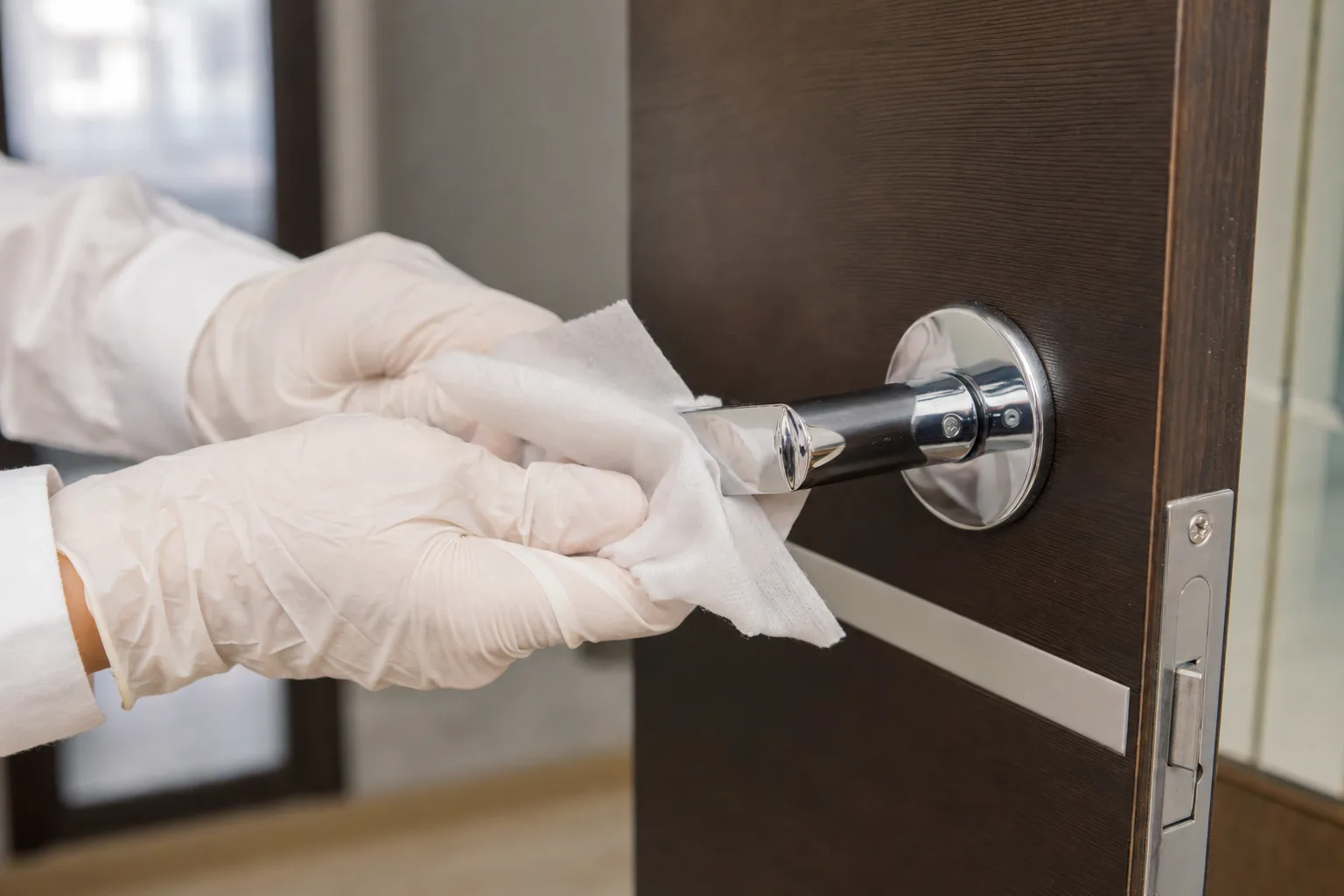
For everyday needs, the honest answer is that cleaning with soap and water followed by a standard disinfectant does the job in most homes. Here is how the three approaches line up.
| Method | Reaches | Main caution |
|---|---|---|
| Soap and water plus disinfectant | Anything you can wipe | Needs contact time to work |
| UV-C light | Only direct line of sight | Skips shadows, harmful to skin and eyes |
| Ozone gas | Everywhere air travels | Lung irritant, space must be vacated |
Notice what is missing from that table: numbers. We do not publish kill-rate figures, because real-world results depend on dose, time, distance, and how clean the surface was to begin with, and a percentage on a page rarely reflects your actual room. Cleaning first is what makes any disinfection step work at all.
Disinfection follows cleaning, it does not replace it. A dirty surface blocks UV light and soaks up your disinfectant before it can do anything.
When is this level of disinfection worth it?
There are genuine cases where going beyond a standard clean makes sense. A few honest examples:
- Turnover after illness in a home, a rental, or a shared space, where you want extra assurance on high-touch surfaces.
- Daycares, gyms, and other places where many people share the same objects and air.
- Spaces with lingering odor that ordinary cleaning has not resolved, where ozone’s reach into fabric and air is the point.
- Facilities that simply want a periodic reset beyond the daily wipe-down.
And when is it overkill? A normal, healthy household keeping up with regular cleaning rarely needs either tool. Soap, water, standard disinfectants on high-touch points, and good ventilation cover the ordinary week. There is no shame in the simple answer being the right one. We would rather steer you toward a thorough regular clean you will actually keep up than sell you a treatment your situation does not call for, and most of the time that is the more useful advice.
Not Sure Which Level You Need?
Tell us the space and the situation, and we will give you a straight answer about whether standard cleaning covers it or a disinfection step is worth the trouble.
What about consumer gadgets that promise UV or ozone?
The market is full of wands, boxes, and plug-in devices making big claims, and this is where a little skepticism serves you well. A UV-C wand can, in theory, disinfect a small, clean, directly-lit surface if it is held close for long enough. In practice, people wave them for a second or two across a whole counter, which does almost nothing, and the light does not reach anything in shadow. The gap between the marketing and the physics is wide.
Small ozone generators sold for homes carry a sharper concern. Because ozone is a lung irritant, a device that fills a room you are sitting in is doing something it should not. Any ozone use belongs in an empty space, full stop, and a gadget designed to run in an occupied room is working against that rule. If you own one, treat it as a vacate-the-space tool, not an air freshener. The honest read on most consumer devices is that they range from mildly helpful under narrow conditions to actively ill-advised, and none of them replace wiping a surface with soap and a standard disinfectant.
Reading the claims on the box
When a product leans on a big percentage or a laboratory result, remember that those numbers come from controlled conditions: a set distance, a fixed exposure time, and a pre-cleaned surface. Your kitchen is none of those things. A figure that is true in a lab can be close to meaningless in a real room where the light is blocked, the timing is short, or the surface was dirty. That is not a reason to distrust the science of UV and ozone, both of which are real and well understood. It is a reason to distrust a marketing number stripped of the conditions that produced it, and to focus instead on what the method can physically reach in your actual space.
What should you ask before booking a disinfection service?
Because the safety details matter, ask specific questions rather than trusting a broad claim. Good ones: what exactly will be treated, will the space need to be vacated and for how long, how is the area cleared and ventilated before reentry, and is the surface being cleaned first. Any responsible provider will walk you through the protocol plainly. Our own procedures for how a space is prepared, treated, and cleared for safe reentry are set per job. ‹confirm: Tidy Sister’s specific ozone and UV disinfection protocol, vacate times, and reentry clearance steps› If a provider cannot explain their safety steps clearly, that is your answer. The willingness to talk through the boring logistics, who leaves, for how long, and how reentry is judged safe, is itself a sign you are dealing with someone who takes the method seriously rather than selling a mystique around it.
Related reading
Disinfection questions often come up alongside specific surfaces. If your real concern is allergens rather than germs, our guide to mattress cleaning and dust mites explains what genuinely reduces the load in soft surfaces. And if a bathroom looks dingy despite cleaning, that is usually soil in porous grout, not a germ problem, which our piece on why grout gets dark unpacks.
The bottom line on UV and ozone
UV-C disinfects only what its light directly reaches, and ozone reaches everywhere but demands an empty, well-aired space because it irritates the lungs. Neither replaces cleaning, and neither earns a kill-rate promise from us. Most homes do fine with soap, water, and standard disinfectants. When a shared space, an illness turnover, or a stubborn odor calls for more, our team can talk through disinfection services in Gresham and whether they honestly fit your situation.


